
Neuro Rehab Articles

Spinal Cord Injury Rehabilitation: Regaining Independence
A spinal cord injury (SCI) can change almost every part of daily life. Walking, using your hands, getting dressed, transferring from a bed to a wheelchair, managing your bladder and bowel, returning to work, driving, and participating in the activities…

Multiple Sclerosis Research Studies
Multiple Sclerosis Research Studies Having multiple sclerosis can be a daunting challenge. But participating in multiple sclerosis research studies is one action that can have a number of positive benefits. Arming yourself with information and building…

Assistive Technology for People with Disability
Assistive technology isn’t just for people with disabilities—it can make everyday life easier for everyone. From smartphone apps that help us stay organized to tools that improve communication, make home access easier, and enhance transportation and mobility,…
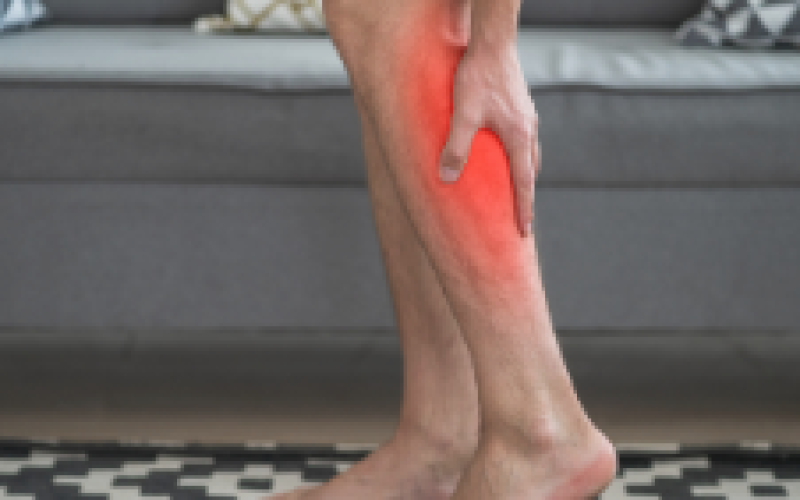
Spasticity, Tremors, and Ataxia: How Therapy Helps Abnormal Movements
Our bodies rely on the brain, spinal cord, nerves, and muscles working together to create smooth, coordinated movement. When there is damage or dysfunction anywhere in this system—such as from a stroke, traumatic brain injury, Parkinson's disease, multiple…

Rehabilitation Therapy After Stroke
Stroke strikes suddenly—and it can change life in an instant. It is one of the leading causes of long-term disability in adults in the United States. According to The Global Stroke Statistics, approximately 1 in 32 Americans has experienced a stroke,…
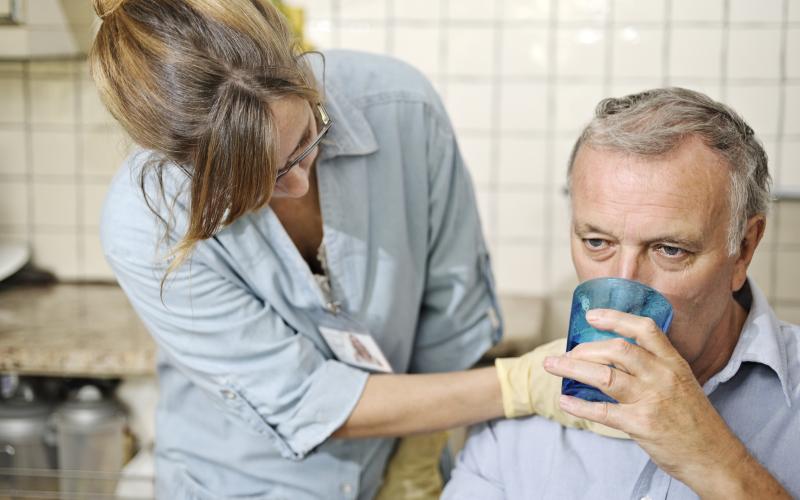
Rehab for Dysphagia: The Difficult Swallowing Dilemma
Eating and drinking are activities most of us take for granted—until swallowing becomes difficult. When swallowing problems develop, they can affect much more than mealtime enjoyment. Dysphagia, the medical term for difficulty swallowing, can impact nutrition,…
Resources for People with Brain Injury in Alabama
Have you experienced a concussion or brain injury? If so, you know firsthand how significantly it can affect daily life. From managing everyday tasks to maintaining long-term independence, a brain injury can create challenges that impact nearly every…
Hope After Brain Injury: Rehab and Recovery
An acquired brain injury can affect the way a person moves, thinks, communicates, and feels. It is often called an “invisible disability” because many survivors have no obvious outward signs of impairment, even though they may face significant physical,…

Top Multiple Sclerosis Symptoms
Multiple Sclerosis symptoms are variable and unpredictable. No two people have exactly the same symptoms, and each person's symptoms can change or fluctuate over time. One person might experience only one or two of the possible symptoms while another…
Getting Walk Ready: Tips to Prepare for MS Walk
Participating in Walk MS is an excellent way to stay active and support a great cause. For individuals with Multiple Sclerosis (MS), proper preparation is key to ensuring a safe and enjoyable experience. Here are some research-backed tips to help you…

New Year, New You: How Therapy Helps You Reach Your Goals
The New Year is a time to reflect on the past and set plans for the future. For many people, the New Year symbolizes a fresh start—a chance to let go of what’s behind them and make plans for what’s ahead. Each January, roughly one in three Americans resolves…

Find Your Steady: Rehabilitation Therapy Helps Calm Essential Tremor
Essential tremor is a neurological condition that causes uncontrollable rhythmic shaking, especially during everyday tasks like drinking from a glass or tying your shoes. This can be incredibly frustrating and may affect your ability to live independently.…
Walking with Foot Drop: New Options for Better Mobility
Foot drop makes it difficult—or sometimes impossible—to lift the front part of your foot due to weakness or paralysis in the muscles responsible for dorsiflexion (lifting the toes). This movement is essential for normal walking and balance. When the…

Caring for Individuals with Memory Loss: A Guide for Caregivers
Memory loss is a common health condition that can severely impact a person’s quality of life. And caring for individuals with memory loss can be challenging. As people age, changes in physical function can lead to mental decline, making it harder to…

Finding Your Balance Again: Vestibular Rehabilitation
Vestibular symptoms can be frightening, frustrating, and disruptive to everyday life—but you don’t have to simply live with vestibular dysfunction. Vestibular Rehabilitation Therapy (VRT) is an evidence-based form of therapy designed to reduce symptoms…
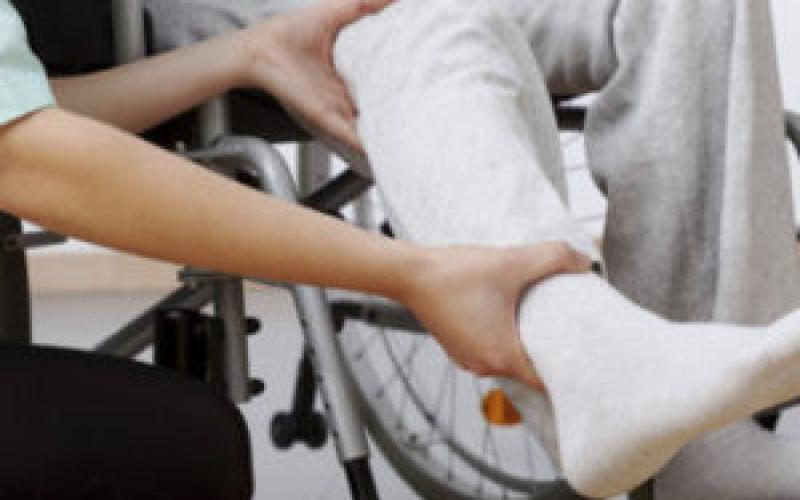
Rehabilitation Therapy Helps Regain Function
An injury or illness can change your ability to function—and a serious one can alter your life in an instant. It may lead to weakness, pain, or cognitive changes. Activities that once felt easy can suddenly become difficult, and recovery may take time.…

Living with Multiple Sclerosis: Julie Robert's Story
Julie Roberts: Singing Through the Storms of MS and Celiac Disease Country music star Julie Roberts is no stranger to life’s challenges. In the midst of a rising music career, she received a life-changing diagnosis: multiple sclerosis (MS). For any performer,…

Seated Yoga for Multiple Sclerosis
Yoga is a gentle, accessible form of exercise that offers significant benefits for people living with Multiple Sclerosis (MS). In fact, research shows that yoga can reduce fatigue—one of the most common and challenging MS symptoms. Beyond that, it can…

Cognitive Rehabilitation Therapy: Helping the Brain Recover and Adapt
Cognitive rehabilitation therapy is a specialized program designed to help individuals with impaired thinking and memory skills regain their ability to function in daily life. Whether the result of a brain injury, stroke, Parkinson’s disease, or another…

Be Multiple Sclerosis Relapse Ready
Are You Relapse-Ready? Planning for the Unexpected with MS Living with multiple sclerosis (MS) means navigating uncertainty. MS relapses—or flare-ups—can happen without warning, disrupting your plans, your routine, and your sense of stability. No matter…

Physical Therapy for Multiple Sclerosis: Move Better, Feel Stronger
Physical therapy can help ease many of the symptoms of Multiple Sclerosis (MS) and support you in staying as active and independent as possible. Working with a physical therapist can make a meaningful difference if you’re dealing with: Balance problems Clumsiness…

Speech Therapy for Multiple Sclerosis: More Than Just Words
Speech Therapy for Multiple Sclerosis: More Than Just Words Many people associate multiple sclerosis (MS) with weakness, fatigue, or mobility issues. However, MS can also impact the muscles involved in speech and swallowing. Just as physical therapy…
.png)
Occupational Therapy For Multiple Sclerosis: Skills for Everyday Life
Living with multiple sclerosis (MS) can make everyday tasks more challenging—but you don’t have to face those challenges alone. Occupational therapy (OT) empowers people with MS to perform daily activities with greater ease, independence, and satisfaction.…

Balance and Fall Prevention: Strategies for Intervention
Balance and fall prevention strategies are important not only for older adults, but for everyone. According to the Center for Disease Control the number of fall deaths in people younger than 65 has increased 20%. And for people 65 and older, the numbers…

Speech Therapy Helps Long COVID
In the spring of 2020, Covid-19 rocked our world as suddenly patients overwhelmed clinics and hospitals in every city. Since that time, patients have relied on providers to support their healing and return to daily function. Outpatient clinics like Therapy…

Occupational Therapy Helps People with Pseudobulbar Affect
Pseudobulbar Affect: Laughing When Crying People with neurological condition such as Brain Injury, Stroke, ALS, Parkinson’s, and MS sometimes have a condition called Pseudobulbar Affect. It is a frustrating and embarrassing condition because pseudobulbar…

Living with MS: The Julie Roberts Story
Singing Through the Storms Country music star Julie Roberts is no stranger to life’s challenges. In the midst of a rising music career, she received a life-changing diagnosis: multiple sclerosis (MS). For any performer, especially one in the spotlight,…

Synchrony Dysphagia Treatment Changes Lives
Have you or someone you know experienced issues when eating or swallowing? Issues such as pain, being unable to swallow normally, coughing, gagging or feeling like there is food stuck in the throat? Do you have to avoid certain foods altogether because…

AMBUCS Adaptive Bikes
AMBUCS Adaptive Bikes for People with Limited Mobility AMBUCS adaptive bikes are customized bicycles that give people with limited mobility the ability to safely ride a bike. Exercise and being mobile are key to good health. And exercising is often very…

Living with Multiple Sclerosis: Don McNeal's Story
Living with Multiple Sclerosis "I have Multiple Sclerosis, but Multiple Sclerosis doesn't have me." That quote comes from Don McNeal, a two time National College Football Champion (1978, 1979) who played for Alabama under coach Paul "Bear" Bryant. …
5 Simple Methods for Fall Prevention
As people age or develop certain medical conditions, they may become weak. This weakness increases the chances of falls. Fall prevention is a critical component of a treatment plan. Falls can be a sensitive subject for a patient to bring up at their doctor…

Supporting a Loved One with Parkinson's Disease
April is Parkinson's Disease Awareness Month. Have one of your loved ones recently been diagnosed? If so, there are ways you can show your support and help them manage their Parkinson's disease symptoms. Keep reading to learn more about Parkinson's…