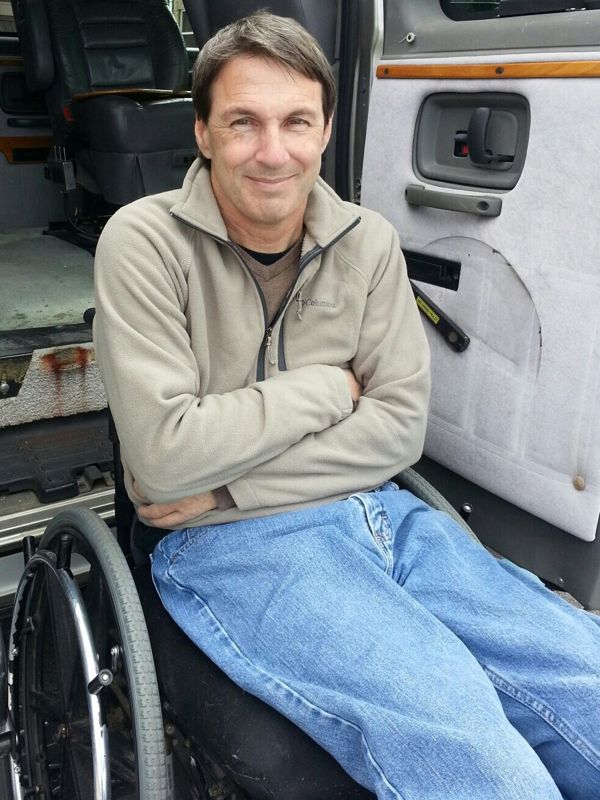
About Spinal Cord Injury
Spinal cord injuries are most often caused by trauma, and their effects depend on the location of the injury along the spine.
- Cervical injuries occur in the neck region and can lead to paralysis and loss of sensation in the arms, trunk, abdomen, legs, and bowel or bladder.
- Lumbar injuries, which occur in the lower back, affect the legs, abdomen, and bowel/bladder function, but typically do not impact the arms or trunk.
Spinal cord injuries are classified as either complete or incomplete. A complete injury results in full loss of muscle control and sensation below the level of injury, while an incomplete injury allows for some preserved movement or feeling below the injury site. The severity and pattern of symptoms vary widely based on the injury level and whether it is complete or incomplete.
Spinal cord injuries are life-changing and can drastically affect one's independence. Therapy is an essential part of the recovery process and can help you reach your goals. Our clinics, located in Huntsville, AL and Decatur, AL, have the equpiment you need along with staff experienced in working with spinal cord injury to help you maximize your function.
Physical Therapy for Spinal Cord Injury
Physical therapy provides strength and balance training so you can improve sitting balance, complete transfers, and propell your wheelchair independently. They identify and develop a plan to reduce pain and spasticity.
Occupational Therapy for Spinal Cord Injury
Occupational therapy helps you become independent with self care tasks such as bathing, dressing, and grooming. They train you in pacing and energy conservation techniques so you can use less effort when completing activities of daily living. They identify adaptive equipment and adaptive technology to compensate for limits in movement. They provide training for adaptive driving and community mobility so you can participate in the activities you enjoy.
Speech Therapy for Spinal Cord Injury
Speech Therapy assesses your ability to swallow and perscribe exercises to improve strength for cough and respiratory function. They provide strategies to deal with any changes in memory or cognition.